
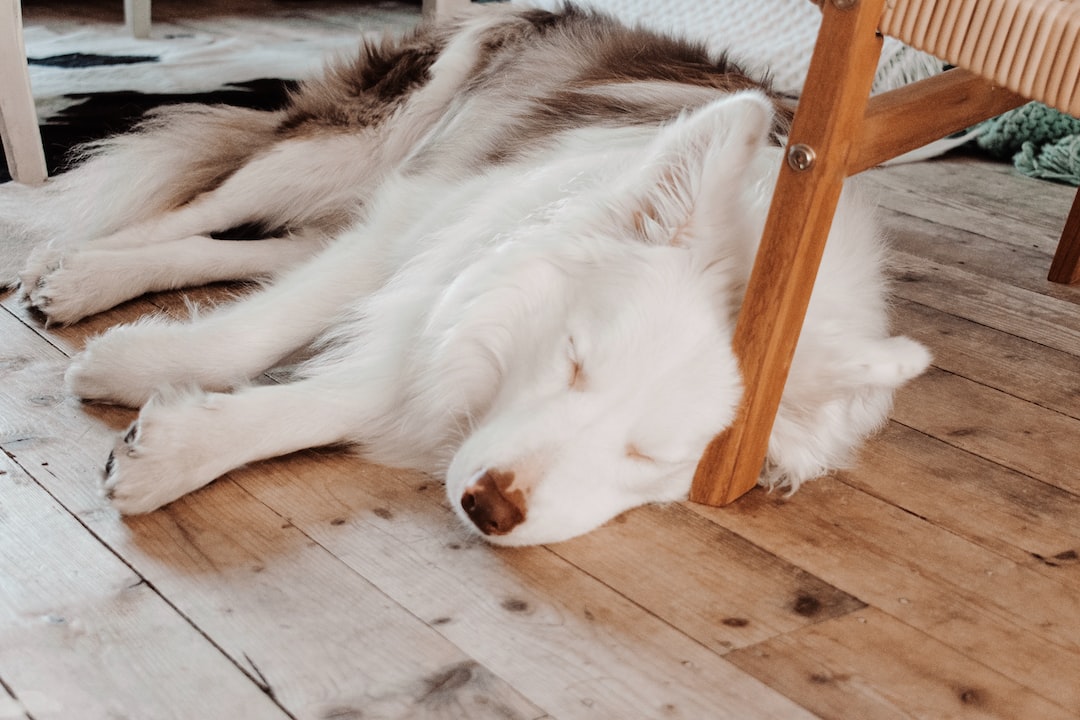
Not long ago, ALL of our senior dogs started a “phase” where, in the middle of a peaceful nap, they would simultaneously start to growl and yip…but would stay asleep. Along with faces twitching and feet doing some fancy air running, it was a bit startling to say the least! That got our family thinking, is it even safe to wake them up mid-sleep growl? Fortunately, the answer is yes it is safe, though it isn’t necessary for reasons discussed below! Now we just let them do their thing and enjoy watching them slumber.
All that said, there is one thing that can make fur baby owners uncomfortable or nervous – dogs growling in their sleep. It is a common behavior among them, and some people think that it is a sign of aggression. However, surprisingly, there is a positive side to it that you won't believe. In this article, we will explore the positive side of dog growling in sleep and why you should not be worried about it.
Before exploring this topic, it is important to note that you should talk to your vet if you feel something is wrong with your fur baby growling in their sleep. They will be able to provide you with the best information possible on the topic and will ensure that your dog is fit and healthy.
Maybe you have a the opposite problem and your fur baby won’t lay down to sleep at night and is restless. If that sounds like you, head over to our information-packed article on dog restlessness HERE!
Now let’s dive into the positive aspects of your dog growling in their sleep! You might be surprised why they do it!
Why Dogs Growl in Their Sleep
Dogs have different sleep stages
It is important to understand that dogs, much like humans, have different stages of sleep. One of these stages is Rapid Eye Movement or REM sleep.
During this stage, dogs may start to growl, whimper, twitch or even move their legs as if they were running. This is completely normal behavior and should not be a cause for concern.
REM sleep is a vital stage of sleep for dogs as it is during this stage that they process and store information gathered during the day, much like humans do. It is also the stage where dogs experience dreams, and just like us, they may act out their dreams during this stage.
As a dog owner, it is important to allow your dog to sleep undisturbed during their REM stage. Interrupting their sleep during this stage may lead to your dog feeling groggy or disoriented the next day.
It is a natural behavior
It is natural for dogs to growl in their sleep. This behavior is a result of their dreaming state, during which their brains are processing memories and experiences.
It is important to understand that growling in sleep does not necessarily indicate aggression or discomfort. In fact, it is quite the opposite.
Dogs who growl in their sleep are often relaxed and comfortable in their environment. It is crucial to let them sleep and not interrupt their dreams, as it is a vital part of their mental and emotional well-being.
However, if your dog's growling in their sleep is accompanied by other abnormal behaviors or seems to be causing distress, it is recommended to consult with your vet. Understanding and respecting your dog's sleeping habits can strengthen the bond between you and your furry friend and ensure their overall health and happiness.
Dogs may dream about different things
Dogs are known to be dreamers just like humans. During their sleep, they often twitch, whimper, and even growl.
Researchers suggest that dogs may dream about various things, including their daily adventures, past experiences, and even their desires. Interestingly, it is believed that growling is a part of their dream.
When dogs growl, it can signify a range of emotions such as aggression, fear, or even playfulness.
However, when dogs growl in their sleep, it is usually a sign that they are dreaming about something that is causing them stress or anxiety. As a pet owner, it's essential to pay attention to your dog's behavior while they are dreaming.
If you notice your dog growling excessively or showing signs of distress during sleep, it's important to consult with your vet to ensure that your furry friend is healthy and happy.
The Benefits of Dogs Growling in Their Sleep
It shows that your dog is relaxed
If you've ever heard your dog growling in their sleep, you might wonder what's going on. Is your furry friend having a nightmare? The truth is a dog growling in their sleep is often a sign that they're relaxed and comfortable in their environment.
It's a natural behavior that dogs exhibit when they feel safe and secure. In fact, when dogs are awake and alert, they don't usually growl unless they feel threatened or defensive.
So, if you hear your dog growling in their sleep, it's a good indication that they're at ease and enjoying a peaceful slumber. As a pet owner, it's important to observe your dog's behavior and understand what it means.
If your dog is growling in their sleep, take it as a sign that they're happy and content in their surroundings.
It’s a sign that your dog is getting enough rest
If you own a dog, you've probably seen them growl or make other noises while they're sleeping.
While this might be alarming at first, it's actually a sign that your furry friend is getting enough rest and is not stressed or anxious. Dogs, like humans, go through different stages of sleep, including a stage called REM, or Rapid Eye Movement, where they may twitch, bark, or growl. This is completely normal and a sign that your dog is getting the deep, restful sleep they need to stay healthy.
However, if your dog is growling or making other noises while awake, it could be a sign of stress or anxiety. In these cases, it's important to identify the cause of their distress and work on addressing it through training, exercise, or other interventions. Remember, a well-rested and stress-free dog is a happy and healthy one!
It means they are less likely to be reactive or aggressive when awake
Dogs that growl in their sleep may seem alarming, but research suggests that this behavior indicates a positive trait. According to animal behaviorists, dogs that growl in their sleep are less likely to exhibit reactive or aggressive behavior when awake. Growling during sleep is a natural behavior that occurs during the Rapid Eye Movement (REM) stage, which is when dogs dream.
During this stage, dogs may be processing information and emotions they experienced during the day. Growling during sleep can indicate that a dog is working through their emotions in a healthy way, which may help prevent reactivity or aggression in their waking life.
However, it is important to note that growling during sleep does not guarantee a dog's behavior when awake. Proper socialization, training, and management are still crucial for dogs to interact safely and appropriately with humans and other animals.
How to Deal with Dogs Growling in Their Sleep
Do not wake your dog up
When your dog is growling in their sleep, it is important not to wake them up. This is because doing so can be disorienting and cause anxiety in your furry friend.
It is common for dogs to have dreams just like humans do, and growling during sleep is a natural behavior. Waking them up abruptly can cause them to feel confused and anxious, which can lead to behavior problems.
Instead, allow your dog to finish their dream and wake up naturally.
If your dog is growling frequently during sleep, it may be a sign of an underlying issue such as stress or anxiety. In such cases, it is best to consult with your vet or animal behaviorist for proper guidance. Remember, your dog's sleep is just as important as their waking hours, and ensuring they get quality rest is crucial for their overall well-being.
Make sure your dog has a comfortable sleeping environment
If you've ever heard your dog growl in their sleep, you're not alone. This is a common behavior among many dogs and is usually nothing to worry about.
However, it's important to ensure that your dog has a comfortable sleeping environment to minimize any potential discomfort or anxiety that could cause them to growl in their sleep. Make sure your dog's bed is the appropriate size for them and is made from a comfortable material.
Additionally, try to create a quiet and peaceful atmosphere in the room where your dog sleeps. This can be achieved by turning off any loud noises or distractions, such as televisions or radios. Providing your dog with a comfortable sleeping environment can not only reduce the likelihood of growling in their sleep but can also improve their overall health and well-being.
If concerned, consult with your vet or a professional dog trainer
If you notice your dog growling in their sleep, it can be a normal occurrence. Dogs are known to dream, and their sleep behavior can mimic their awake behavior.
However, if you are concerned about your dog's behavior, it is always best to consult with your vet or professional dog trainer. A growling dog can indicate a variety of issues, such as anxiety or aggression, and it is important to address these concerns before they escalate. A licensed vet can rule out any potential medical issues that may be causing your dog's behavior, while a professional dog trainer can offer guidance and training techniques to modify your dog's behavior.
It is important to remember that every dog is unique and there is no one-size-fits-all solution. Seek the guidance of a professional to ensure the safety and well-being of both you and your furry friend.
FAQ
Why does my dog growl in his sleep?
If you have ever found yourself wondering why your furry companion growls in his sleep, you are not alone. Growling is a common behavior in dogs, and it can happen when they are awake or asleep.
When your dog growls in his sleep, it could be a sign that he is dreaming. Dogs dream just like humans do, and often their dreams reflect their daily experiences. Your dog may be growling in his sleep because he is reliving a moment of excitement or aggression from his day.
Alternatively, growling in sleep could be a symptom of a physical or emotional issue. For instance, your dog may be experiencing pain or discomfort, or he may be feeling anxious or stressed.
If you notice your dog growling in his sleep frequently or excessively, it is best to consult with your vet to rule out any underlying health issues.
Is it normal for dogs to growl in their sleep?
It is perfectly normal for dogs to growl in their sleep. In fact, it is a common behavior among many dogs.
Growling during sleep is a natural part of their sleep cycle, and it does not necessarily indicate that your dog is having a nightmare or is in any kind of distress. Dogs may growl, bark, or even twitch their limbs during sleep as they dream, just like humans do.
However, it is important to note that if your dog's growling during sleep is accompanied by other signs of distress, such as whining or crying, it may be an indication of an underlying medical condition. In such cases, it is important to consult with your vet to determine the cause of the behavior.
In general, as long as your dog is otherwise healthy and happy, growling during sleep is nothing to worry about.
Should I wake a dog growling in their sleep?
If you come across a dog growling in their sleep, it can be quite concerning.
However, it's important to understand that growling during sleep is a normal behavior in dogs. It's their way of processing their dreams and is not necessarily indicative of aggression or distress. As such, it's best to avoid waking a dog that is growling in their sleep, as this could startle them and lead to an unnecessary negative reaction.
It's important to remember that dogs need their sleep just like humans do, and interrupting their rest could cause them to become irritable or grumpy. That being said, if you notice your dog growling excessively, or if they are showing other signs of discomfort such as whimpering or twitching, it may be worth consulting with your vet to rule out any underlying health issues.
What does it mean when dogs growl in their sleep?
It is not uncommon for dogs to make noises in their sleep, including growling. But what does it mean when dogs growl in their sleep? It's important to note that dogs are capable of dreaming just like humans.
During sleep, their brain activity increases, and they may act out their dreams. Growling in their sleep may simply be a result of dreaming about a particular situation or feeling threatened in their dream.
However, it's also possible that growling during sleep is a sign of a medical issue, such as pain or discomfort.
If you notice your dog growling excessively in their sleep, it's important to monitor their behavior when awake and to discuss any concerns with your vet. In general, occasional growling in their sleep is nothing to worry about and is a normal part of a dog's sleep cycle.
What if my deaf dog is growling in their sleep?
If you have a deaf dog and you notice them growling in their sleep, it's important to understand that this is a natural behavior for dogs.
However, it's important to monitor their behavior and take note of any changes in their demeanor. It's possible that your dog is experiencing pain or discomfort, which can cause them to growl in their sleep. In this case, it's crucial to seek veterinary help immediately to ensure your dog's health and wellbeing.
Additionally, it's important to understand that deaf dogs can sometimes become startled or frightened when woken up suddenly.
If you need to wake your dog up, it's best to do so slowly and gently to avoid any unnecessary stress or anxiety. Overall, it's important to be aware of your deaf dog's behavior, especially when it comes to growling in their sleep, and to take appropriate action if necessary.
Final Thoughts
In summary, it is completely normal for dogs to growl in their sleep, as it is a natural part of their sleep cycle. It is usually nothing to worry about, but excessive growling or accompanying signs of distress should be monitored and assessed by your vet.
Deaf dogs may also growl in their sleep, and it is important to be aware of their behavior and take appropriate action if necessary. Overall, understanding why dogs growl in their sleep can help you better appreciate and care for your furry companion.
- Jake