
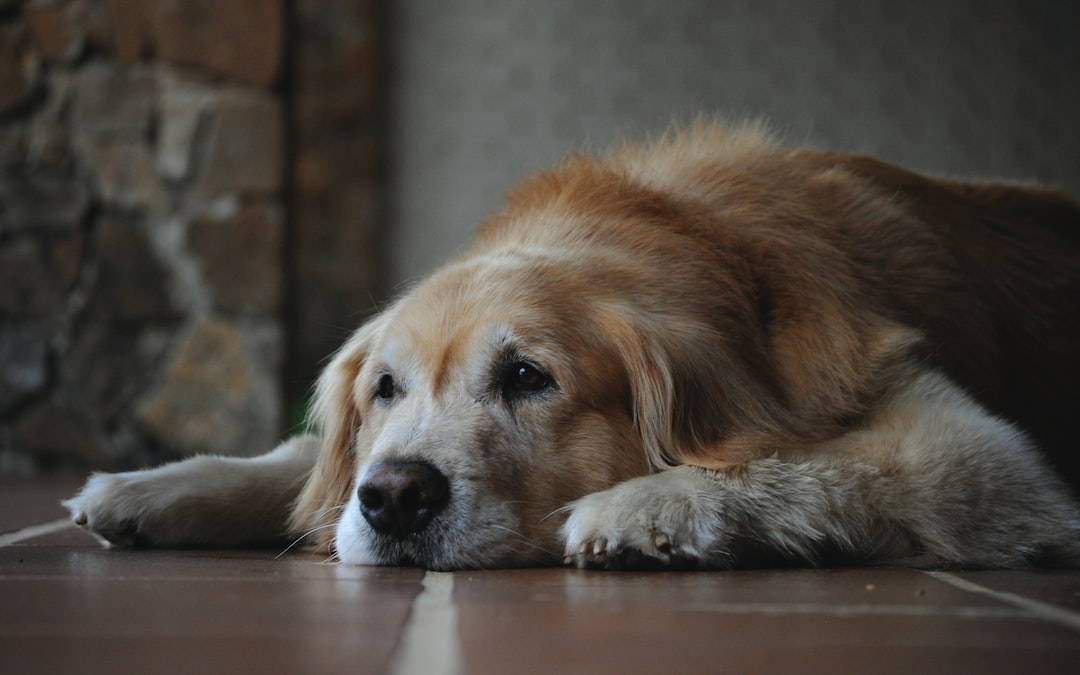
Old dog incontinence is a common problem that many pet owners face. It can be frustrating and stressful to deal with, but there are ways to manage it. In this post, we will share expert tips on how to deal with old dog incontinence and make it easier for you and your furry friend.
According to a study conducted by the American Society for the Prevention of Cruelty to Animals (ASPCA), around 20% of dogs over the age of 10 experience some form of incontinence. This makes old dog incontinence a fairly common issue that many pet owners face.
It is an important subject to discuss because incontinence can significantly affect a dog's quality of life and lead to discomfort and embarrassment for both the dog and its owner. Additionally, incontinence can also be a sign of an underlying medical condition that needs to be addressed by your vet. It's important to find ways to manage and treat incontinence in older dogs to help them live a comfortable and happy life.
It is important to note that you should talk to your vet immediately if you notice your senior fur baby having any health issues or behaving abnormally. Only your vet has the expertise to understand what steps to take to ensure your dog is comfortable and healthy. We like to say that, when in doubt, always call the vet.
Also, if your senior dog is having issues with peeing in the house, you should check out our article Senior Dog Peeing In House: What Causes Urination Problems In Dogs. It is packed with helpful information!
Now, let’s dive into old dog incontinence and tips for dealing with the issue.
Understand the Causes of Old Dog Incontinence
Hormonal Imbalances
Hormonal imbalances can cause incontinence in older dogs. Incontinence is the loss of bladder control, and it can be caused by a variety of factors including hormonal imbalances, underlying medical issues, or even the aging process.
In older dogs, hormonal imbalances can often occur due to the decrease in estrogen levels in females and testosterone levels in males. This can lead to a weakened urinary sphincter, making it difficult for the dog to control their bladder.
Additionally, hormonal imbalances can also cause an increase in urine production, leading to more frequent urination and accidents.
If you suspect your older dog is experiencing incontinence due to hormonal imbalances, it is important to consult with your vet. They can perform a thorough examination and recommend treatment options, such as hormone therapy or medication, to help manage your dog's condition and improve their quality of life.
Urinary Tract Infections
Urinary Tract Infections (UTIs) are a common ailment amongst older dogs, and they can lead to incontinence if left untreated. Incontinence is a condition where dogs are unable to control their bladder, leading to accidents in inappropriate places.
Older dogs are at a higher risk of developing UTIs due to a weakened immune system and decreased bladder control. Symptoms of UTIs include frequent urination, straining to urinate, and blood in the urine.
If you suspect your dog has a UTI, take them to the vet immediately. Your vet may prescribe antibiotics to treat the infection and advise changes in your dog's diet and lifestyle.
It's essential to monitor your dog's symptoms and report any changes to your vet. With prompt treatment, you can help your dog recover from a UTI and avoid any complications, including incontinence.
Bladder Stones
Bladder stones are a common problem in older dogs, which can lead to incontinence and other health issues. These stones are formed when minerals in the urine become concentrated and crystallize, causing small, hard masses to form in the bladder. The symptoms of bladder stones in dogs include frequent urination, straining to urinate, and blood in the urine.
If left untreated, the stones can cause damage to the bladder and kidneys, leading to more serious health problems.
If your older dog is experiencing these symptoms, it is important to take them to your vet for proper diagnosis and treatment. Treatment options may include changes in diet, medications, or even surgery to remove the stones. In addition to treatment, it is important to provide your dog with plenty of water to help prevent the formation of new bladder stones.
Weak Bladder Muscles
Incontinence is a common problem among old dogs, and it's often caused by weak bladder muscles. As dogs age, their bladder muscles weaken and lose their ability to contract properly, which leads to urine leakage.
Incontinence can also be a symptom of other underlying health problems, such as bladder infections and tumors, so it's important to consult your vet if you notice any signs of incontinence in your dog. The good news is that there are treatments available for incontinence, such as medication and surgery, which can help strengthen the bladder muscles and reduce urine leakage.
In addition, there are also steps you can take at home to manage incontinence, such as using absorbent pads and increasing your dog's access to water and outdoor breaks. By working closely with your vet and taking proactive steps at home, you can help your old dog manage incontinence and enjoy a comfortable and happy life.
Neurological Problems
Older dogs can experience a variety of neurological problems that can lead to incontinence. These problems can range from spinal cord injuries to degenerative myelopathy, and can cause loss of control over the urinary and/or bowel sphincters.
In cases of spinal cord injuries, incontinence can be a result of damage to the nerves that control the bladder and bowel. In degenerative myelopathy, a progressive disease that affects the spinal cord, incontinence can occur due to a loss of sensation and muscle control in the hind limbs.
Other neurological problems that can cause incontinence in older dogs include brain tumors, stroke, and cognitive dysfunction. To help manage incontinence in these cases, it is important to work closely with your vet to determine the underlying cause and develop an appropriate treatment plan.
This may include medications, physical therapy, or surgery, depending on the specific condition. In some cases, simple management strategies such as frequent potty breaks and protective diapers may also be effective in improving quality of life for affected dogs.
Signs of Incontinence
Frequent Urination
Frequent urination in old dogs is a common issue that pet owners should be aware of. As dogs age, their bladder muscles weaken, making it difficult for them to hold urine for extended periods.
This can result in frequent urination, which may cause discomfort for your pet and inconvenience for you. It is important to consult with your vet if you notice your dog is urinating more frequently than usual.
They will be able to identify if there is an underlying medical condition causing frequent urination, such as urinary tract infections or diabetes. In some cases, a change in diet or medication may be necessary to manage the issue.
Additionally, providing your dog with more opportunities to go outside and urinate can help alleviate the problem. Being aware of the signs and symptoms of frequent urination in old dogs can help you provide the best care for your furry companion.
Urinating in the House
If your old dog has started urinating in the house, it's important to address the issue as soon as possible.
First, take your dog to the vet to rule out any medical issues that may be causing the behavior.
If your vet confirms that your dog is physically healthy, it's time to start training. One effective method is to establish a consistent routine for your dog's bathroom breaks, and reward them for going outside.
You may also need to limit your dog's access to certain areas of the house until they relearn appropriate behavior. Be sure to clean any soiled areas thoroughly with an enzymatic cleaner to eliminate the scent, as dogs may return to the same spot to urinate.
Above all, be patient and consistent in your training efforts. With time and effort, your old dog can learn to eliminate outside where they belong.
Urinary Accidents while Sleeping
Older dogs may experience urinary accidents while sleeping, which can be a cause for concern for pet owners. This is due to a decrease in bladder control that comes with age. It's important to note that this is not a behavioral issue and should not be punished or scolded.
Instead, it's recommended to take your dog to your vet to rule out any underlying medical conditions such as a urinary tract infection or kidney disease. Your vet may also recommend certain medications or dietary changes to help manage the issue. In the meantime, it's a good idea to invest in waterproof bedding or dog diapers to protect your home and keep your dog comfortable.
Additionally, make sure to offer your dog plenty of opportunities to go outside and relieve themselves, especially before bedtime. With proper care and attention, you can help your senior dog live a happy and comfortable life despite any urinary challenges.
Dribbling Urine
If you have an old dog that is dribbling urine, it is important to take action. This could be a sign of a urinary tract infection or bladder issue that needs to be addressed by your vet. Help your dog to drink plenty of water to help flush out any bacteria that may be causing the issue.
Additionally, you may need to start taking your dog outside more frequently to urinate.
If your dog is having trouble controlling their bladder, consider using dog diapers or belly bands to prevent accidents around the house. It is important to keep your dog's living space clean and hygienic to prevent further infections.
In some cases, your vet may prescribe medication or recommend a special diet to help manage the issue. Don't ignore the problem, take action to ensure your furry friend stays healthy and comfortable.
Tips for Managing Incontinence
Schedule Frequent Potty Breaks
To ensure that your furry friend maintains good bathroom habits, it's important to schedule frequent potty breaks throughout the day. Depending on their age, breed, and size, dogs may need to go out as often as every 2-3 hours.
It's crucial to establish a consistent routine and stick to it as closely as possible. Instruct your dog to go outside and wait with them until they do their business.
Reward them with praise or treats when they successfully go potty outside. Avoid punishing them for accidents as this can lead to anxiety and make them less likely to go outside.
If you're unable to take your dog out frequently enough, consider hiring a dog walker or asking a trustworthy neighbor for assistance. Maintaining a consistent schedule of potty breaks will not only keep your home clean, but it will also ensure your dog's physical and mental well-being.
Use Dog Diapers or Belly Bands
As dogs age, they may start to experience urinary incontinence, leading to accidents inside the house. To prevent this, dog diapers or belly bands can be a helpful solution. Dog diapers fit snugly around a female dog's waist and come with an absorbent pad that can be changed as needed.
Belly bands, on the other hand, wrap around a male dog's midsection, covering his genitals and preventing urine from leaking out. Both options can be used for elderly dogs who have difficulty controlling their bladder.
When purchasing dog diapers or belly bands, it's important to make sure they fit well and are comfortable for your dog to wear. It's also crucial to change the pads regularly to prevent any infections or discomfort. With the use of dog diapers or belly bands, you can help your older dog feel more comfortable and prevent any embarrassing accidents in the house.
Adjust Diet and Exercise Routine
If you have an old dog struggling with incontinence, adjusting their diet and exercise routine can be crucial. A diet high in fiber and moisture can help regulate bowel movements and prevent accidents.
Consider switching to wet food or adding canned pumpkin or pumpkin supplement to their meals. Our favorite pumpkin supplement that we use with our senior fur babies is HERE.
In addition, frequent potty breaks and increased exercise can also aid in keeping accidents at bay.
Try taking your dog on short walks multiple times a day to help regulate their bathroom habits. It's important to note that sudden changes in diet or exercise can also exacerbate incontinence issues, so make sure to consult with your vet before making any major adjustments.
With patience and consistency, these simple changes to your dog's routine may greatly improve their quality of life and help manage their incontinence.
Consider Medications
Senior dog incontinence can be a frustrating and embarrassing issue for both the dog and their owner.
However, there are medications available that can help manage this problem. Ask your vet to conduct a thorough examination to determine the underlying cause of the incontinence, such as a urinary tract infection or hormonal imbalance.
Once the cause is identified, your vet may prescribe medications to help manage the symptoms.
Some medications work by tightening the muscles around the bladder and sphincter, while others help to increase the amount of urine produced so that the dog will need to go out more frequently. It's essential to follow the vet's instructions carefully and continue to monitor your dog's behavior to ensure that the medication is working effectively. With proper management, incontinence can be controlled, and your dog can continue to enjoy their golden years comfortably.
Invest in Waterproof Bedding
Investing in waterproof bedding for an old dog with incontinence is essential for both the comfort of your furry friend and the cleanliness of your home.
When a dog experiences incontinence, accidents can happen frequently and unexpectedly. This can lead to unpleasant odors, stains, and even damage to your furniture or flooring.
By using waterproof bedding, you can prevent these issues and provide a comfortable and hygienic sleeping environment for your dog. Look for bedding made from high-quality materials that can withstand frequent washing and provide ample protection against leaks.
It's also a good idea to choose bedding with non-slip backing to ensure it stays in place and doesn't become a tripping hazard for your furry friend. Investing in waterproof bedding is a small but important step towards ensuring your old dog's comfort and well-being in their golden years.
Seek Professional Help
If you notice that your aging dog is struggling with incontinence, it is important to seek professional help as soon as possible. Incontinence can be caused by a variety of factors, as mentioned above, including underlying medical conditions such as urinary tract infections, bladder stones, or even cancer.
Your vet can conduct a thorough examination and recommend appropriate treatment options based on the underlying cause of the incontinence. This may include medication, dietary changes, or even surgery in some cases.
Additionally, a professional can offer advice on how to manage incontinence at home, such as using absorbent pads or changing your dog's bedding more frequently. Ignoring the issue can lead to more serious health problems for your furry friend, as well as creating an uncomfortable living environment for both you and your dog. Seeking professional help is the best way to ensure your dog's health and happiness in their golden years.
Final Thoughts
As dogs age, they may experience incontinence, which can be frustrating and embarrassing for both the dog and their owner. However, there are several ways to manage this issue and provide your furry friend with comfort and dignity in their golden years.
These methods include using dog diapers or belly bands, adjusting your dog's diet and exercise routine, considering medications, investing in waterproof bedding, and seeking professional help. By following these tips, you can help your older dog feel more comfortable, prevent any embarrassing accidents in the house, and ensure their health and happiness in their later years.
- Jake